How to Keep Your Lawn Healthy Through Every Season
A healthy lawn takes more than regular mowing. Changes in temperature, rainfall, sunlight, and seasonal growth can all affect how your grass looks and performs. With the right care at the right time, you can help your lawn stay healthier, greener, and more attractive throughout the year.

A Healthier Lawn Starts With Consistent Care
A lawn changes throughout the year. The maintenance that helps grass recover and grow in spring may not be the same approach it needs during the heat of summer or the slower months of winter.
The key is to pay attention to seasonal changes and adjust your routine accordingly.
Regular mowing is important, but healthy lawn care can also involve edging, aeration, overseeding, weed control, fertilization, watering, and seasonal preparation.
In this guide, we'll walk through the basic care your lawn may need throughout the year and the signs that it could benefit from additional attention.
START WITH THE BASICS
Every Lawn Has Different Needs.
Before creating a maintenance routine, consider the conditions around your property.
The type of grass, amount of sunlight, soil condition, drainage, weather, and level of foot traffic can all influence how your lawn grows.
A lawn that receives several hours of direct sunlight may need a different approach from one shaded by mature trees. Similarly, compacted soil or poor drainage can affect how well grass receives water and nutrients.
Key Considerations
- Grass Type Different grass varieties have different growth patterns and seasonal requirements.
- Sunlight The amount of direct sunlight can affect grass density and overall growth.
- Soil Condition Too little water can stress grass, while poor drainage can create other problems.
- Foot Traffic Frequently used areas may require additional care to recover from wear.
Spring Lawn Care
Help Your Lawn Recover and Grow.
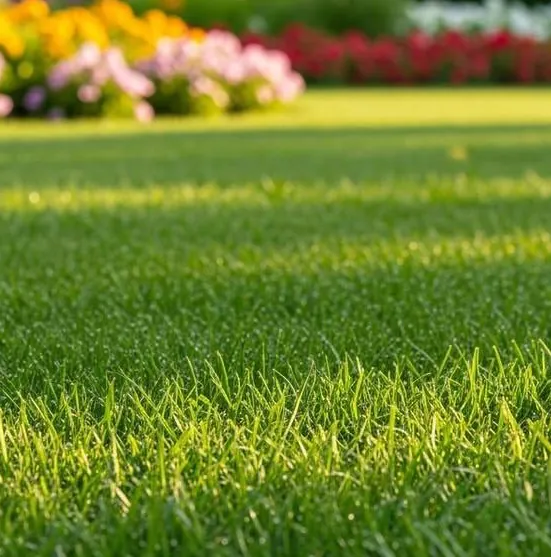
Spring is a natural time to assess your lawn after winter and prepare it for the growing season.
Start by removing leaves, branches, and other debris that may have accumulated over the colder months. As growth begins, look for thin areas, bare patches, weeds, and signs of soil compaction.
Depending on your lawn's condition, spring maintenance may include mowing, edging, aeration, overseeding, fertilization, and weed control.
- Clear winter debris Remove leaves, branches, and other material covering the lawn.
- Check for thin areas Identify patches that may need additional seed or attention.
- Begin regular mowing As growth increases, establish a consistent mowing routine.
- Refresh lawn edges Clean edges around paths, driveways, and planting beds.
- Look for weeds Identify unwanted growth early before it becomes harder to control.
Summer Lawn Care
Protect Your Lawn During Warmer Weather.
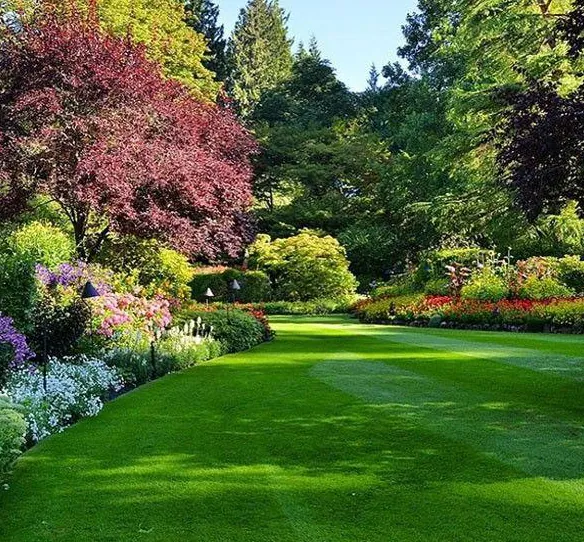
Summer can place additional stress on grass, especially during periods of high temperatures and limited rainfall.
Adjust your maintenance routine based on local weather conditions and your grass type. Avoid removing too much grass during mowing and pay attention to areas that become dry, thin, or discolored.
Watering practices also matter. Instead of reacting only when the lawn looks stressed, monitor its condition regularly and adjust your routine as needed.
- Mowing Maintain an appropriate mowing height rather than cutting the lawn extremely short.
- Watering Pay attention to weather and soil conditions when determining watering needs.
- Heat Stress Watch for dry, thin, or discolored areas.
- Foot Traffic Give stressed areas time to recover when possible.
Fall Lawn Care
Prepare Your Lawn for the Season Ahead.
Fall can be an important maintenance period before colder weather arrives.
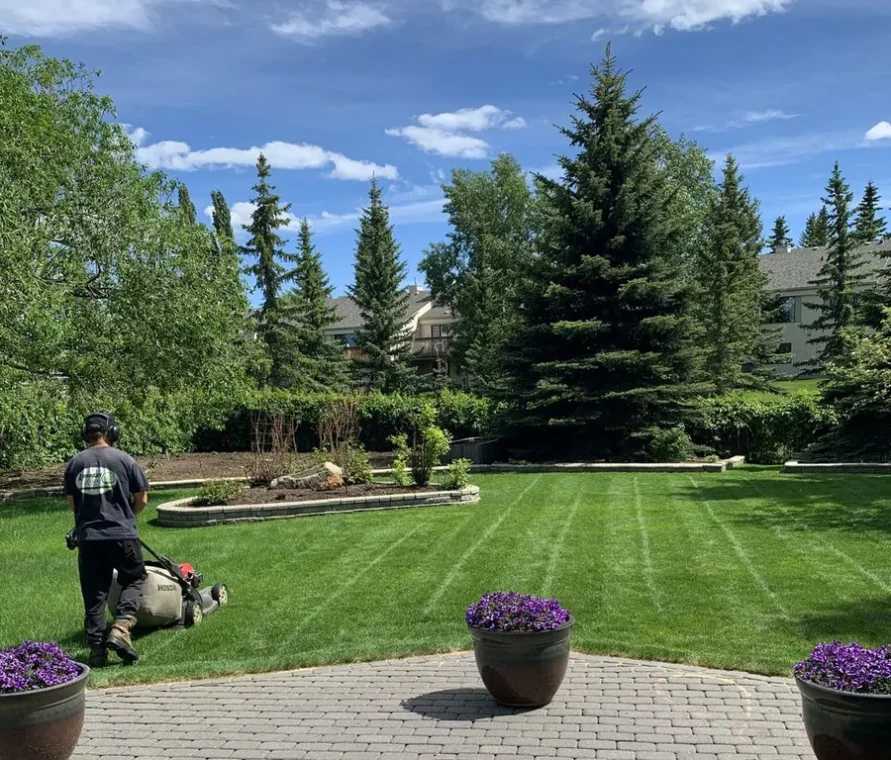
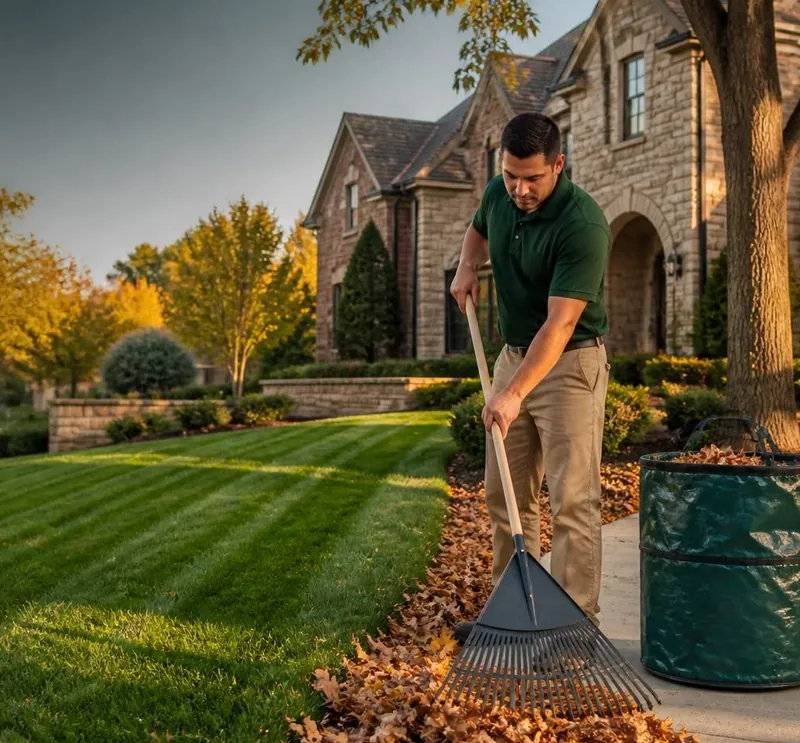
Regularly remove leaves from the lawn to prevent them from blocking sunlight and airflow. Continue mowing as needed while grass is actively growing, and pay attention to areas that became thin or damaged during summer.
It's also a useful time to address problems rather than carrying them into the next growing season.
- Remove Leaves Keep heavy leaf buildup from covering the lawn.
- Assess Lawn Health Identify thin, damaged, or heavily worn areas.
- Maintain Mowing Continue mowing while the grass is actively growing.
- Address Compaction Consider whether high-traffic areas need additional attention.
- Plan Ahead Make note of improvements that may be needed next season.
Winter Lawn Care
Give Your Lawn Time to Rest.
Depending on your local climate and grass type, lawn growth may slow significantly during winter.
During this period, avoid unnecessary traffic on areas that are particularly vulnerable. Keep leaves and debris under control and use the quieter season to evaluate the overall condition of your property.
Winter can also be a useful time to plan landscaping improvements or establish a maintenance schedule for the coming year.
- Protect Avoid unnecessary wear on vulnerable areas.
- Observe Look for drainage, bare patches, or other recurring issues.
- Plan Identify projects you'd like to complete during the next growing season.
- Prepare Consider scheduling professional services before your lawn becomes actively stressed.